If “Haseen Vadiya and Khula Asma” on your mind this summer.. Then there is no dearth of hill stations to visit in the country.
India offers some of the spectacular landscapes in the world, From unexplored wonderland of McLeodganj to misty valleys of Wayanad, here is the list of some of the amazing hill stations.
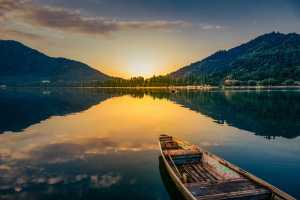
Srinagar: Jammu & Kashmir
Kashmir, a Beautiful Poetry of God, that never fails to amaze tourist. Srinagar, the capital city is the best verse of this Poetry. Located on the banks of river Jhelum, Srinagar is famous for it’s Gandola-Type rowboats the Colourful Shikharas used by tourist to see attractions like floating vegetable market, and to interact people from community of Mir Bahris who live on the lake itself.
Famous Tourist Spots
- Dal lake, Shikhara Ride, Floating Vegetable Market, Mughal Gardens, Nishat Bagh, Shalimar Bagh and Hazratbal Shrine, Tulip Garden, Wular Lake.
Best Time To Visit
Srinagar has a pleasant weather throughout the year. However April to October is the best time to visit the city.
How To Reach
- By Air: Srinagar’s domestic Sheikh ul Alam Airport is well connected to the all major cities of India.
- By Train: Srinagar does not have a direct connectivity, one has to take a train to Jammu which is 290kms away from the city. Jammu is well connected to all the major cities of India.
- By Road: Srinagar is well connected to the cities like Delhi, Jammu and Chandigarh. You can take JKSRTC bus to the city.
Leh: Ladakh
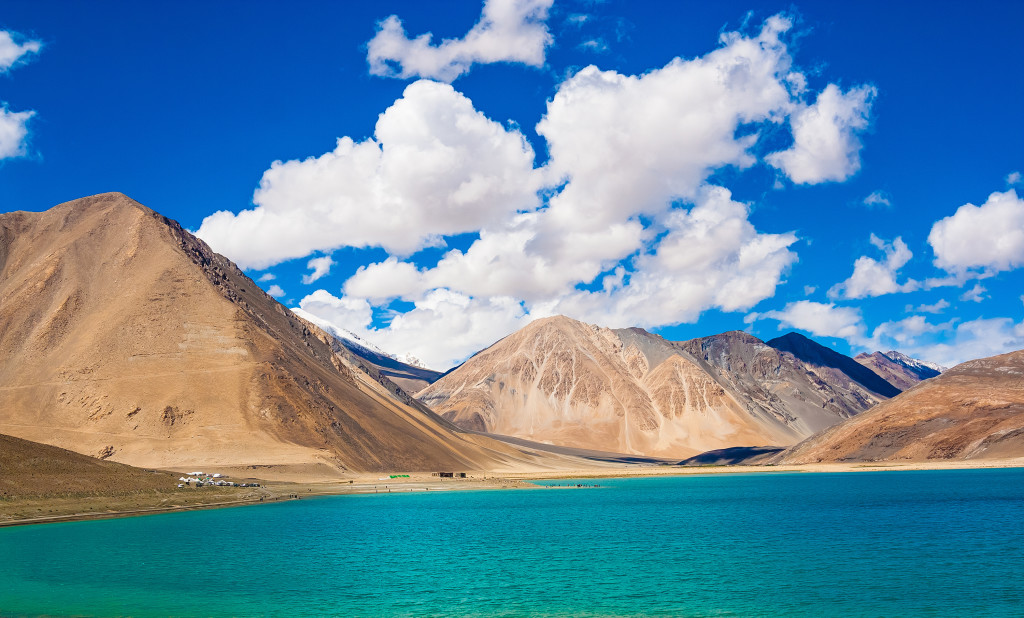
A heaven on the earth Leh is bounded by two of the world’s mightiest mountain ranges, the Great Himalaya and the Karakoram. It offers fabulous landscapes, lofty peaks and high-altitude lakes. Superabundance of attractions to visit make Leh-Ladakh road trip most sought after road trips on earth. Ever imagine walking into a painting that is still wet; Leh’s Pangong lake offers a similar experience. Situated in the himalayas at the height of 4350 meters, it is a sight that is surely will take your breath away.
Famous Tourist Spots
- Pangong lake, Magnetic Hill, Leh Palace, Chadar Trek, Tso Moriri, Zanskar Valley and Shanti Stupa.
Best Time To Visit
The best time to visit this picturesque destination is between April to June. Manali-Leh highway is not operational for rest of the year, the only operational way is the Srinagar-Leh highway. Frozen river trek is organised in months of December to January, the only way to get there is by flying to Leh.
How to Reach
- By Air: Leh’s domestic airport, Kushok Bakula Rimpochee Airport is well connected by direct flights from Delhi, Mumbai and Srinagar. Owing to the increasing popularity of the town, frequency of flights to Leh from various Indian cities have also increased.
- By Train: Leh does not have its own railway station, Pathankot, Chandigarh and Kalka are the closest railway stations to Leh. One can hire taxis from these stations to reach Leh.
- By Road: Manali-Leh road has been serving as the second best road to Ladakh. Himachal Pradesh Tourism, HRTC and JKSRTC operate daily deluxe and ordinary buses between Manali and Leh.
McLeodganj: Himachal Pradesh
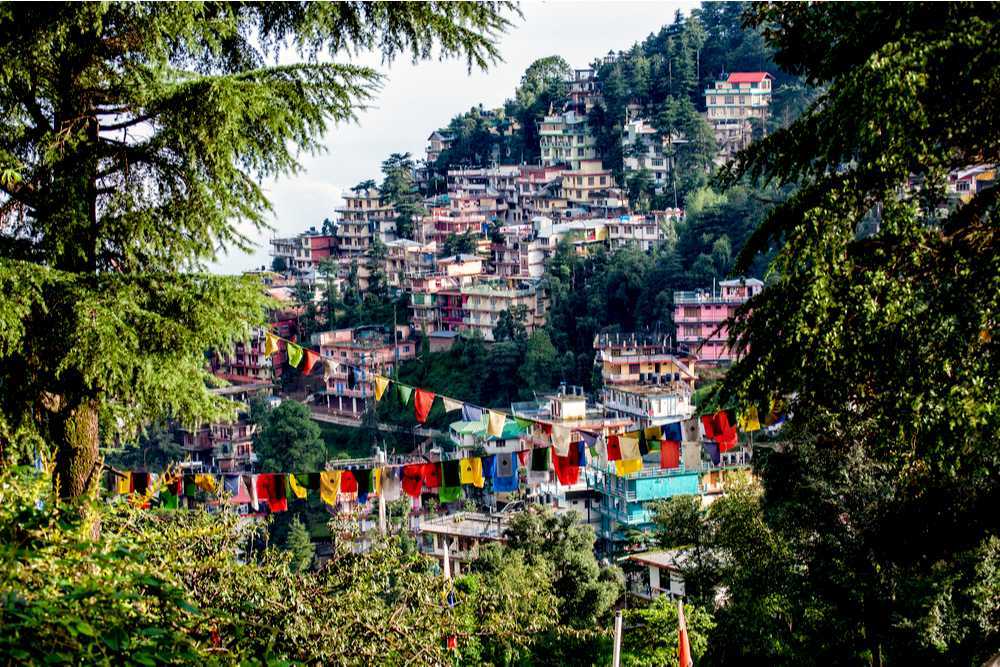
Named after the Lieutenant Governor of Punjab Sir Donald Friell McLeod, Mcleodganj is a small cozy hill station in Himachal Pradesh. Also known as Little Lhasa, this hill station provides mesmerizing landscapes in entire Himachal. Few of the religiously significant monasteries in India are located here, including the Namgyal Monastery and Tsuglakhang, where the spiritual leader Dalai Lama resides.
Famous Tourist Spots
- Namgyal Monastery, Tsuglakhang, Tibetan Museum, Bhagsunath Temple, Bhagsu falls, Triund, Dal Lake and Church of St. John.
Best Time to Visit
McLeodganj experiences pleasant weather during Summer i.e from March to June and chilly weather during Winter i.e. from October to February. It is advisable not to visit McLeodganj in Rainy season, as this region receives heavy rainfall annually.
How to Reach
- By Air: Gaggal airport in Dharamshala is the nearest airport, which is about 20kms away from McLeodganj.
- By Train: Nearest broad gauge railway station is Pathankot, which is nearabout 85 kms away from McLeodganj. Kangra Valley railway station is a narrow gauge railway station and it is 20kms away from Dharamshala.
- By Road: McLeodganj is an overnight journey from Delhi and only 6 to7 hours journey from Chandigarh. HPTDC provides regular bus service to the town from various cities within state.
Mussoorie: Uttarakhand
Popularly known as the Queen of hill Stations, Musoorie stands at an altitude of 7000 feet above the sea level, offering the stunning views of Doon Valley and Snow Caped Himalayan Peaks. Nestled between the Shivalik ranges of Himalayas, Mussoorie was popular holiday destination during the British era and it can be seen from an architecture of Hotel and churches. Tourist can also walk up to the Mall Road or can just sit and admire the mist filled Himalayan peaks from the highest point of Mussoorie called Lal Tibba.
Famous Tourist Spots
- Jharipani Fall and Kempty Falls, Camel Back Road, Soham Heritage Art Centre, Mussoorie Lake, Lal Tibba, Cable Car Ride at Gun Hill and Clouds End.
Best Time to Visit
Mussoorie offers cool and pleasant weather throughout the year, but it is advisable to avoid the monsoon season to keep landslides from interrupting your trip.
How To Reach
- By Air: Delhi is the nearest international airport and Dehradun’s Jollygrang airport is the nearest national airport. Jollygrant airport does nothave direct flights on regular basis. Indian Airlines has a direct flight from Delhi to Jollygrant Airport.
- By Train: Dehradun Railway Station, located around 36 km away serves as the nearest railway station to Mussoorie.
- By Road: Number of state transport and private buses connect Mussoorie with the big cities like Dehradun and Delhi. These buses are available on daily basis.
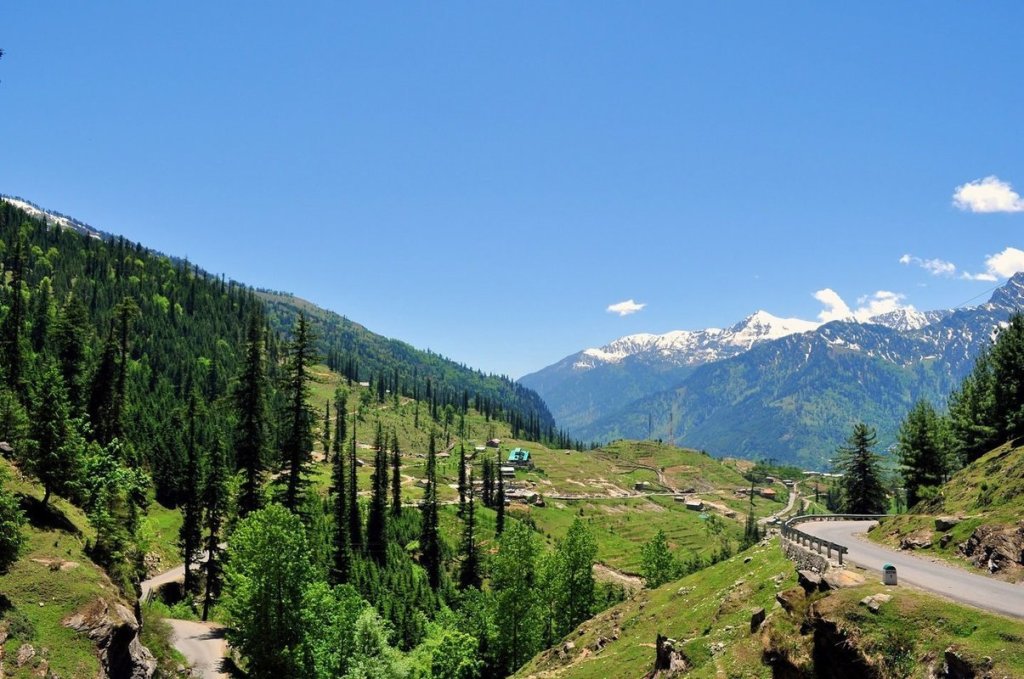
Pelling: Sikkim
A small cozy town Pelling, in west Sikkim is becoming a second biggest tourist destination after Gangtok. Perched at an altitude of 2100m, the main attraction of Pelling is Khangchendzonga and the neighbouring peaks. The chief sight in Pelling includes the famous Pemayangste monastery built more than 300 years ago, which is beautifully located amid green gardens; a huge Buddha statue and statute of reincarnations of Padmasambhava are the main attractions of the sight. Pelling is a perfect holiday package for all the nature lovers and adventure lovers, it also has sites for mountain biking, rock climbing, village tours, and it serves as a base for a number of treks in the region.
Famous Tourist Spots
- Sangachoeling Monastery, Pelling Helipad, Pemayangste Monastery, Rabdentse Ruins, Rimbi River, Darap Village and Rimbi Waterfall.
Best Time to Visit
Pelling is a any time visit tourist attraction. Still, the ideal time to visit this small town is between Mid-feb to May and From September to December. Winter season between January to Mid-feb will be very cold but with plenty of warm clothes, travelling can be lots of fun.
How to Reach
- By Air: The nearest airport to Pelling is at Bagdogra, which is 160 kms away from the town. It is connected with all major cities.
- By Train: New Jalpaiguri Railway Station is the nearest railway station, which is 52 kms away from Pelling. One can take a taxi from station to reach the destination.
- By Road: Pelling is well connected to major cities like Gangtok, Siliguri and Darjeeling and hence can be easily accesible by State transport buses or private taxis.
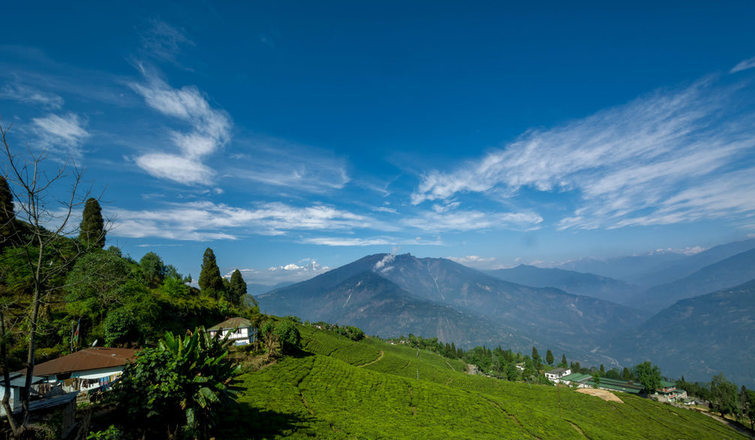
Tawang: Arunachal Pradesh
The least discovered town in Arunachal Pradesh, Tawang, also pronounced as Dawang has many scenaries that make your trip a picturesque one. Few of the religiously significant monasteries in India are located here, Including the Tawang Monastery which is considered extremely sacred for Buddhists. Tawang is the best example of Natural Beauty wrapped with scent of History; The Jaswantgarh war memorial located at Nuranang, was build to commemorates the bravery of the martyred Indian soldiers of the 1962 Indo-China war.
Famous Tourist Spots
- Bum La Pass and Sela Pass, Madhuri Lake, Nuranang Falls, Tawang Monastery, Jaswantgarh War Memorial, Tipi Orchid Sanctuary and Gyangong Ani Gompa.
Best Time To Visit
March to September is an ideal season to explore Tawang. Monsoon can be relatively cooler, but in winter snowfall can restrict accessibility.
How To Reach
- You need to buy a pass to enter the town which can be bought from Kolkata, New Delhi, Guwahati or Tezpur.
- By Air: The nearest Domestic Airport is Salonibari Airport, Tezpur, roughly six hour drive from Tawang. The nearest International Airport is Lokpriya Gopinath Bordoloi International Airport, Guwahati, roughly 480 Kms from Tawang. It is connected with the major cities like Delhi, Kolkata, and Mumbai.
- By Train: The nearest Railway Station is Tezpur Railway Station which is connected to the all major cities of Arunachal Pradesh.
- By Road: Tawang is a very well connected to the major cities of the state via Arunachal Preadsh State Road Transport Corporation (APSRTC) and some private travel services.
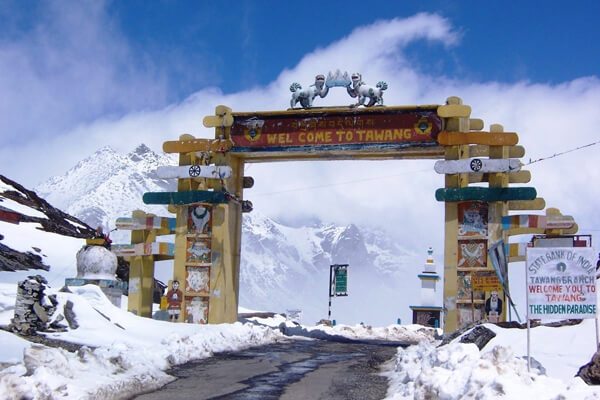
Shillong: Meghalaya
Famously described as Scotland of East, Shillong is the capital city of Meghalaya. Beautiful city surrounded by pine trees and abode of clouds, Shillong has to be one of India’s most sought after tourist destinations in recent times. Land of immense natural beauty this city is the home to numerous waterfalls, the exciting mountain peaks, crystal clear lakes, museums and the zoos. The most popular tourist destination in Shillong is the village Mawlynnong, It was declared as the cleanest village in Asia in 2003 by Discovery India. Apart from its cleanliness, Mawlynnong is also famous for its living root bridges.
Famous Tourist Spots
- Mawlynnong, Umiam Lake, Elephant falls, Shillong Peak, Don Bosco Museum and Mawsynram and David Scott Trail.
Best Time To Visit
The soothing climate makes Shillong suitable to visit in all seasons. Best time to visit Shillong is between September to May, it can rain heavily between June and August. However the beauty in monsoon is at its peak as the terrain turns into a scenic paradise with lush greenery, lakes, ponds and waterfalls coming to life. It, therefore, can be an off-season location worth a visit for some.
How To Reach
- By Air: Guwhati Airport is the nearest major airport, and it is connected to almost every big city of the Country. Shillong’s Airport is only connected to the Kolkata Airport.
- By Train: Nearest Railway station is the Guwahati Railway Station, which is almost 100 kms away from Shillong.
- By Road: Assam State Transport Corporation (ASTC) and Meghalaya Transport Corporation (MTC) run buses from Guwahati to Shillong. Shillong is connected to Guwahati by NH 40.
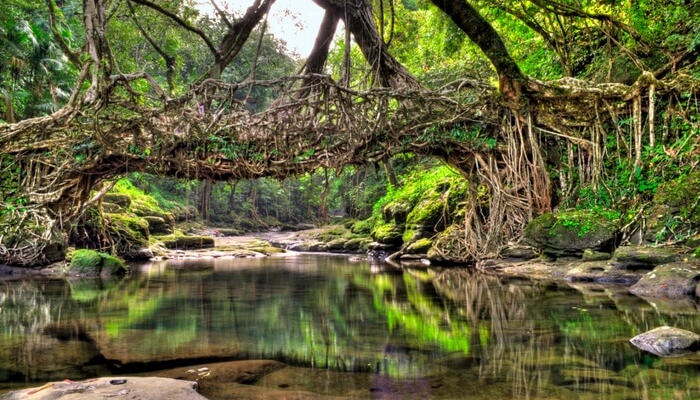
Siliguri: West Bengal
Known as the gateway to North East India, Siliguri ia a picturesque plains town lies on the banks of Mahananda River at the foothills of Himalayas. Located in Jalpaiguri district of West Bengal, Siliguri is famous for it’s Tea and Timber. The prime attraction of Siliguri is Jaldapara National Park, earlier known as Jaldapara Wildlife Sanctuary, it has an impressive population of Royal Bengal Tigers, elephants, one-horned rhinoceros, and various other species of deer. a tourist can also avail an Elephant ride and get a chance to catch a glimpse of the animals up close.
Famous Tourist Spots
- Jaldapara National Park, ISKON Temple, Salugara Monastery, The Mahananda Weir Wildlife Sanctuary, Science City, Sevok Kali Mandir and Dudhia.
Best Time To Visit
The ideal time to visit Siliguri is when winter sets in, from October to February. The temperature drops down to 8 to 10 degrees and is usually accompanied by light showers. Siliguri is best for all those who enjoy hilly areas and cold temperatures.
How To Reach
- By Air: Siliguri has its own international airport, Bagdogra Airport is connected to all the major cities of India and it is also connected to International destinations like Paro and Bangkok.
- By Train: The nearest Railway Station is New Jalpaiguri Railway Station which is located at a distance of 8 Kms from Siliguri. It is well connected to the major cities like Delhi, Mumbai and Kolkata.
- By Road: Siliguri is well connected through West Bengal State Road Transport Corporation (WBSRTC) and some private travel services to Kolkata and other cities of West Bengal.
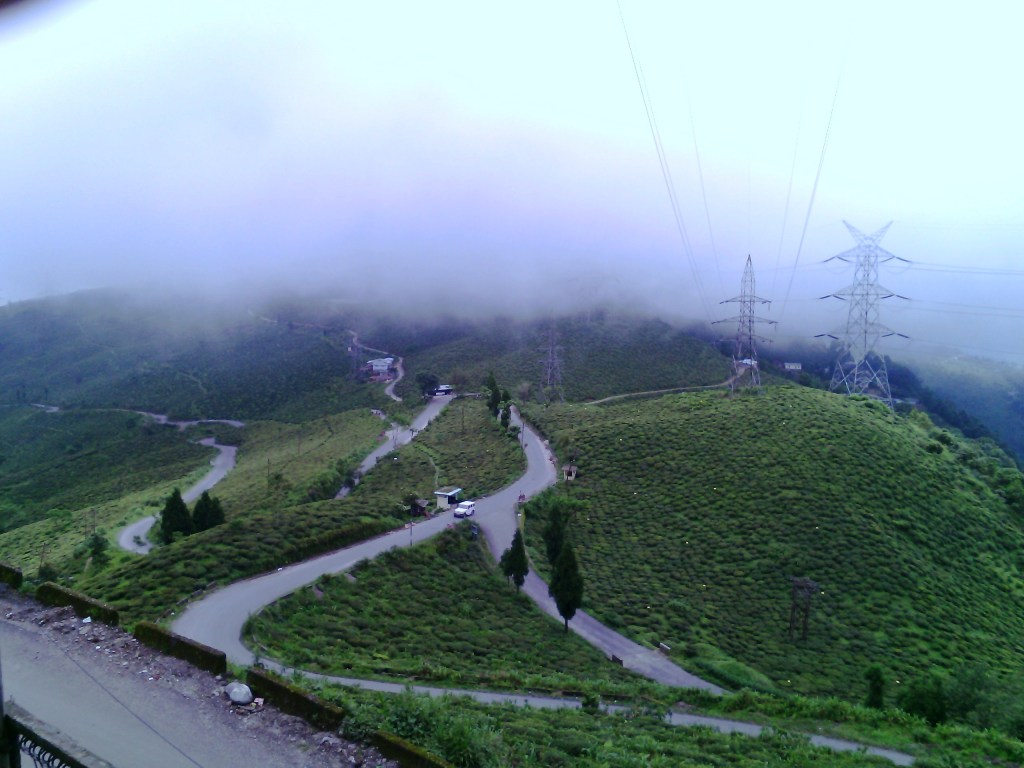
Bhandardara: Maharashtra
A beautiful hill station nestled in Sahyadri ranges in Maharashtra is a great option for those who are interested in greenery, the waterfalls, mountains and adventure. Bhandardara hill station is a treat to adventure seekers; This little village has some trekking and hiking routes for those who are looking to do something extra during their holidays. One such trek route is to Kalsubai Peak, the highest peak of the Sahyadri ranges. Also known as “Everest of Maharshtra”.
Famous Tourist Spots
- Kalsubai Peak, Ratangarh fort, Umbrella falls, Wilson Dam, Randha Falls, Ratanwadi Village and Arthur Lake
Best Time To visit
Bhandardara spreads its magic in Monsoon months of June to September when monsoon is cool and pleasant. Opposite to what it has in Summer when its quite hot and humid. The months between June and March tend to be an ideal time to visit Bhandardara. The rainfall during these months make all the waterfalls come to life and create a breathtaking sight to explore.
How To Reach
- By Air: The nearest airport is Chatrapati Shivaji International Airport in Mumbai which isnearly 150 kms away from Bhandardara. This airport is well connected from all major cities of India. Tourist from here can take the private cab or taxi to reach the place easily.
- By Train: The nearest railway station is Igatpuri, which is nearly 35 km away from Bhandardara. The railway is well connected with all major cities of India.
- By Road: Bhandardara is well connected to the rest of India by road. People can take a bus service of Maharashtra State Road Transport to reach the city smoothly.
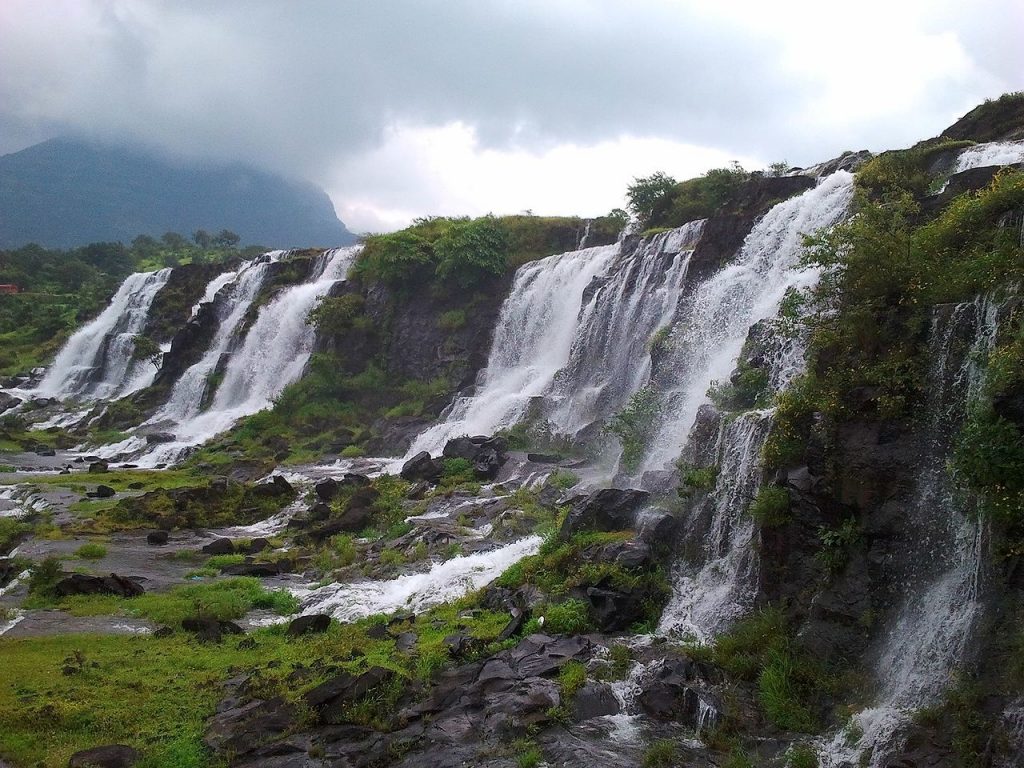
Coorg: Karnataka
Spread out on the western ghats, this misty valley of Coorg is the best place to be for all the nature lovers. Officially known as Kodagu, this hill station in Karnataka is enveloped in emerald landscapes and acres of coffee, tea and spice plantations. Coorg is not only popular for its natural beauty, it also stands as a popular destination because of its culture and people. Among the top things you can do in Coorg is to visit Nagarhole National Park. It houses not just multiple species of plants and shrubbery but also mammals, reptiles, crawlers and rare birds.
Famous Tourist Spots
- Nagarhole National Park, Abbey Falls, Golden Temple (Namdroling Monastery), Raja’s Seat, Talacauvery, Iruppu Falls and White River Rafting in Barapole River.
Best Time To Visit
Best time to visit Coorg is between September to June. However if you want to enjoy trekking October to March is the best season. It is advisable to avoid monsoon months of July and August, so that heavy rainfall and landslide cannot spoil your vacation.
How To Reach
- By Air: Mangalore Airport, located about 160 km away, is the nearest airport to Coorg. This airport is well connected to major Indian cities like Mumbai and Bangalore.
- By Train: Nearest Railhead is Mysore, which is 95 kms away from Coorg.
- By Road: KSRTC (Karnataka State Road Transport Corporation) provide deluxe buses to Coorg, on a regular basis from cities like Bangalore, Mysore and Mangalore.
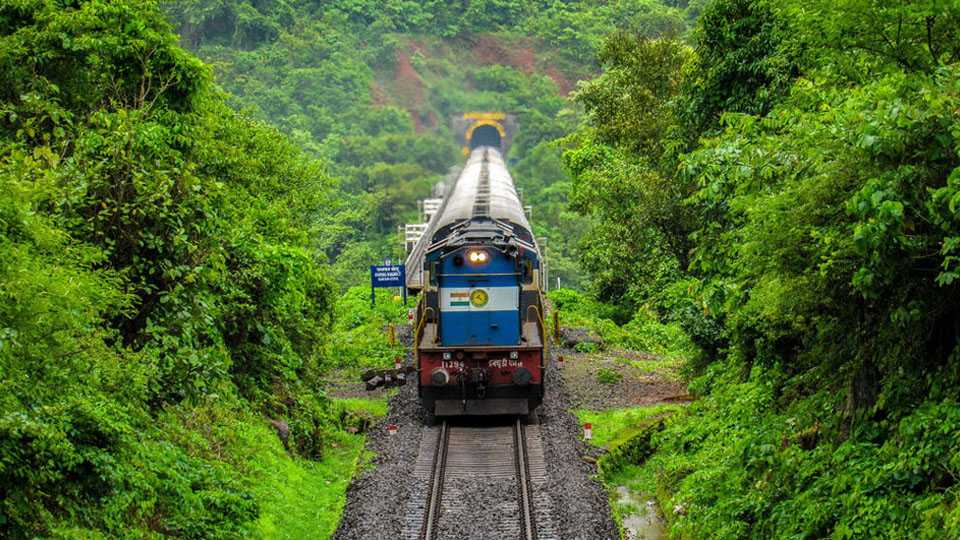
Coonoor: Tamilnadu
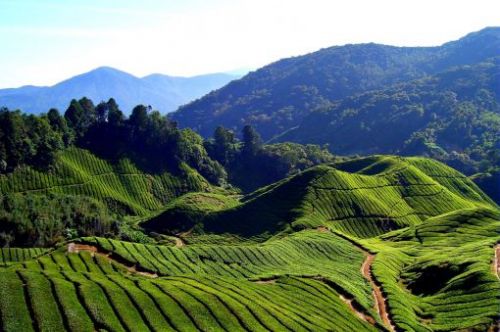
Second largest hill station in the wonderful Nilgiri hills of the western ghats, Coonoor is known for its great picnic spots and picturesque surroundings. Situated at just 19 kms from Ooty, Coonoor is a perfect blend of Natural beauty and History. Its Tea plantations, Colonial Culture, Heritage Hotels, Manicured hills and amazing panoramic view of Nilgiri Hills makes it the different world altogether. The Highfield Tea Estate is a 50 year old estate, and it is some 2 km northeast of upper Coonoor.
Famous Tourist Spots
Ketty’s Valley, Sim’s Park, Nilgiri Toy Train, Lamb’s Rock, Highfield Tea Estate, Law’s Falls, Hidden Valley, Droog Fort, St. George Church and Dolphin’s Nose.
Best Time To Visit
The warm and comfortable weather throughout the year makes Coonoor an ideal gateway from the urban hustle bustle. However, October to March is the best time to visit this paradise. The temperature in these months ranges between 10 to 20 degrees celsius; the lowest temperature it can touch is 8 degrees celsius. Monsoon season between July to September gives a totally different appearance to Coonoor; The greenery of tea plantations clubbed with the morning mist gives the place a dreamy feel.
How To Reach
- By Air: Coimbatore Airport is the nearest domestic airport, located 45 kms away from Coonoor, and is well connected to all the major cities of India.
- By Train: Coonoor does not have its own train station owing to its extreme height and steep terrain. the nearest train station is Mettupalayam and Coimbatore. One can enjoy a toy train ride from Mettupalayam to Coonoor, which is part of Nilgiri Mountain Railway, a World Heritage Site.
- By Road: Travel by road is the most convenient option to reach Coonoor. Regular buses are available to Coonoor from Coimbatore, Ooty, Kotagiri and all the neighbouring major cities.
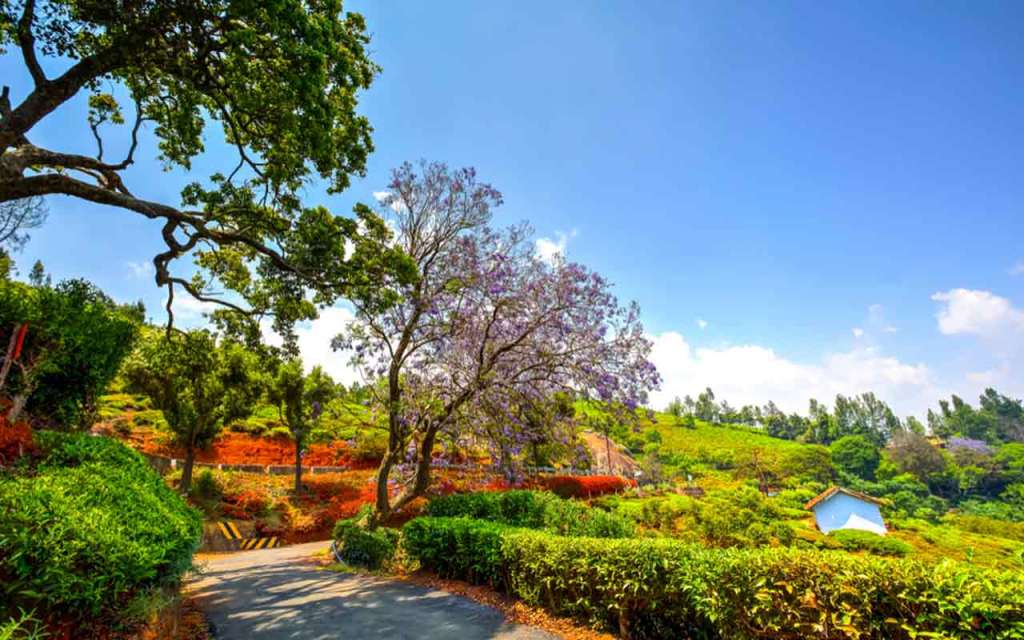
Wayanad: Kerala
The name Wayanad comes from Vayal & Nadu, the land of paddy fields. Filled with beautiful waterfalls, historical caves, comfortable resorts, spice plantations and wildlife, Wayanad is perfect holiday destination for those who love to wander in the lap of nature. Wayanad is famous for its Wildlife Reserves such as Nagarhole, Bandipur and Mudumalai. These reserves are home to a wide variety of wildlife like elephants, leopards, and bears. Apart from natural beauty Wayanad also has a rich culture and historical heritage. From the stories of War and freedom struggle to prehistoric caves and medieval temples, Wayanad has Everything.
Famous Tourist Spots
- Banasura Sagar Dam, Wayanad Wildlife Sanctuary, Chembra Peak, Edakkal Caves, Thirunelli Temple, Soochipara Falls, Nagarhole, Bandipur and Mudumalai wildlife Reserves.
Best Time To Visit
Wayanad can be explored throughout the year, as weather remains more or less constant. Whereas October to May is the best season to visit this lovely hill station. This season marks the winter and beginning of summer. In rainy season Wayanad receives a right amount of rainfall which can ruin your vacation.
How To Reach
- By Air: Located almost 65 kms away from Wayanad, Calicut international Airport serves as nearest airport to it. Calicut is well connected to the major cities of Kerala and the rest of India.
- By Train: Wayanad does not have a direct rail connection, Kozhikode is the nearest Railway Station which is well connected to major towns and cities.
- By Road: A tourist can avail a direct bus service of KSRTC to Wayanad from the big cities like, Bangalore, Mysore, Kochi, Chennai and Trivandrum.

 Unending Voyage